

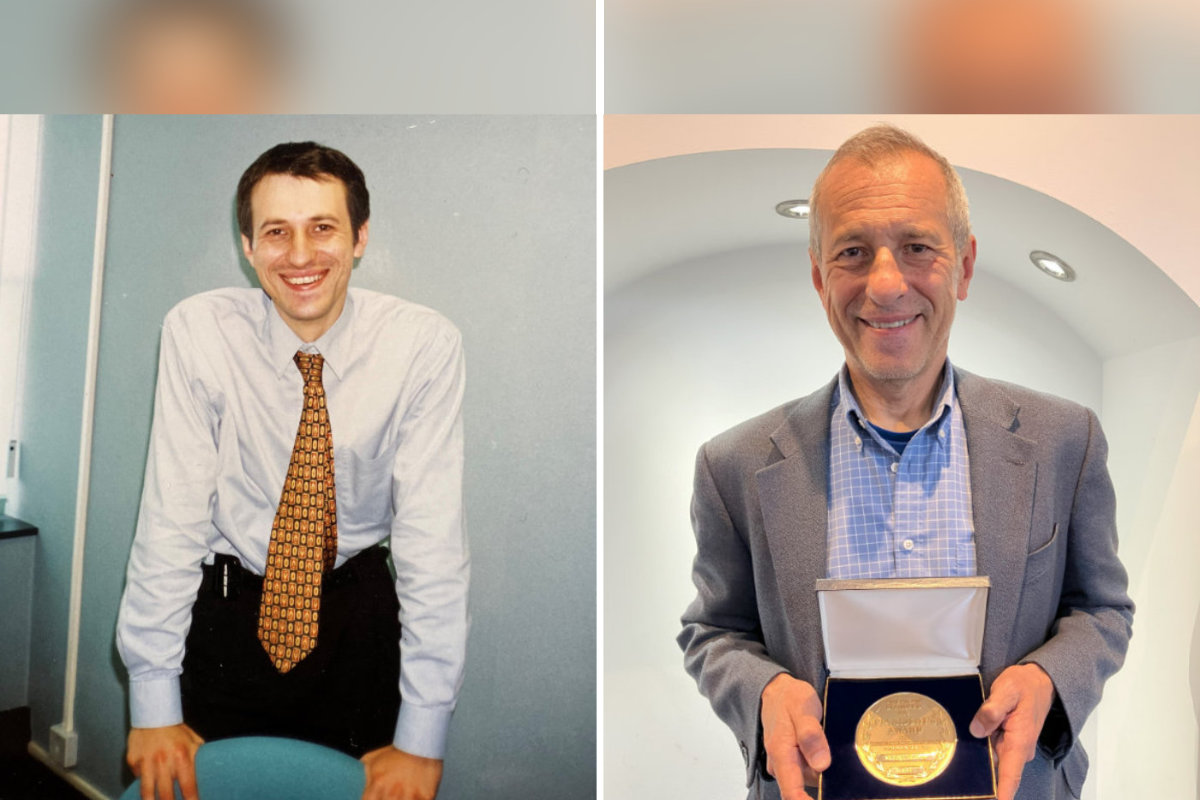
Mike Heaton retires at the end of this month after more than 39 years with the business. Ahead of his departure, we spoke to Mike about his time with Ideal Standard, how things have changed and what he will miss the most.
How did you start working for Ideal Standard?
My job with Ideal Standard was actually my second job. I moved from Texas Instruments, so I was a techie. I went there from university, where I had done physics, and was living in Bedford, though I’m originally from North Yorkshire.
I was working on four and eight bit microprocessor applications but I was really interested in computer graphics and I saw a job advertised by a recruitment agency in Lincoln for somebody to work on bathroom visualisation systems, so it was really ahead of its time. Nowadays you go into a showroom and you can plan your bathroom but in those days it was like science fiction.
So I researched Lincoln. It looked like a nice place to live. I got all prepared and then it turned out that the job was up in Hull.
What did the role involve?
The computer system that I worked on was worth about £50,000 for the software and the PC. That’s a lot of money today, but in those days it was huge. The software was being used to make titles for TV programmes and that kind of thing. Computer animation and computer graphics were really in their infancy back then.
The role was in marketing, reporting to Scott Murdoch, who was in charge of research and development, and indirectly reporting to Roger Cooper, who later became the managing director.
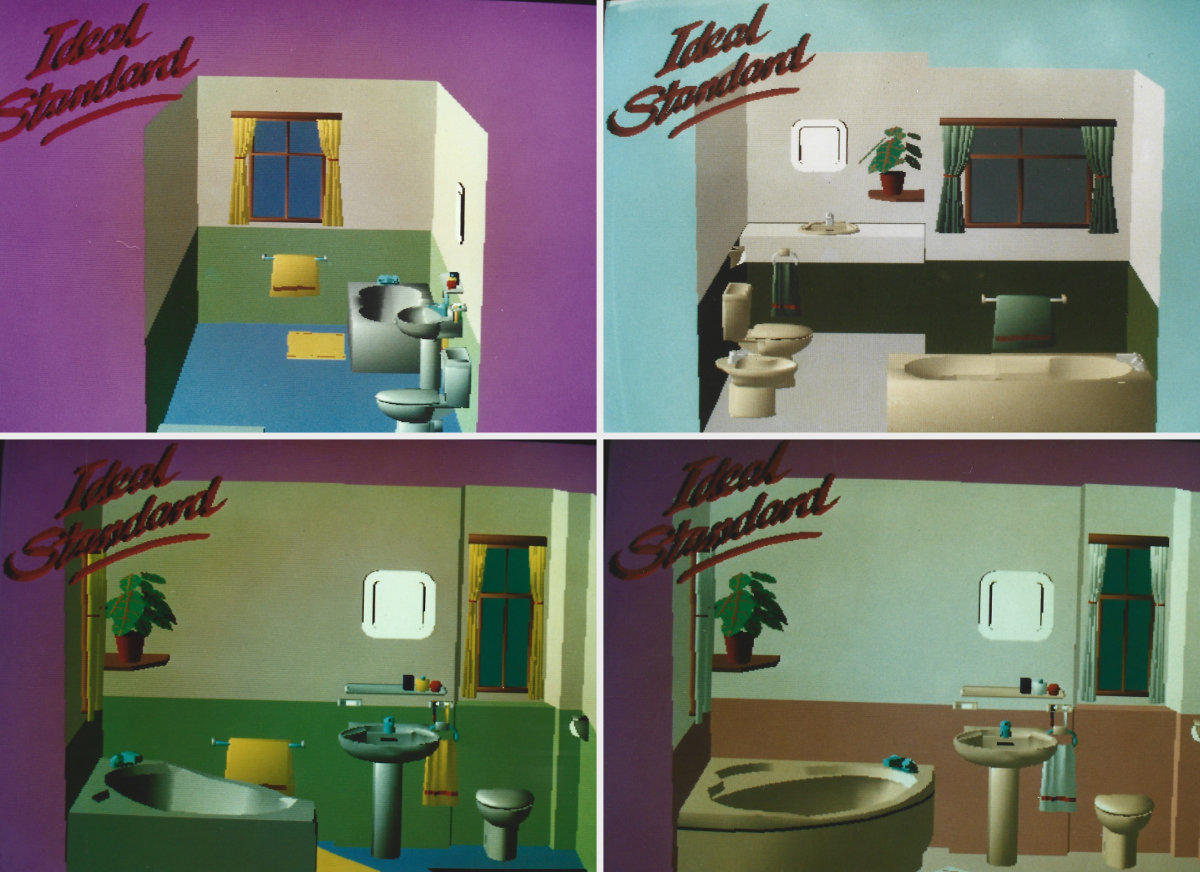
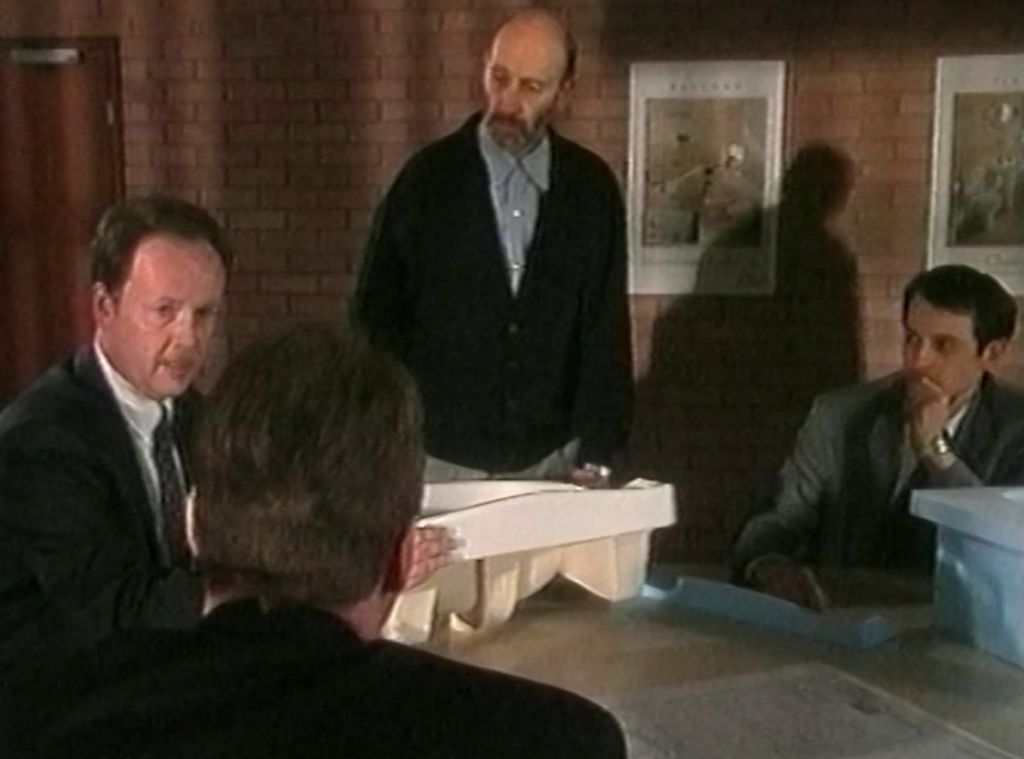
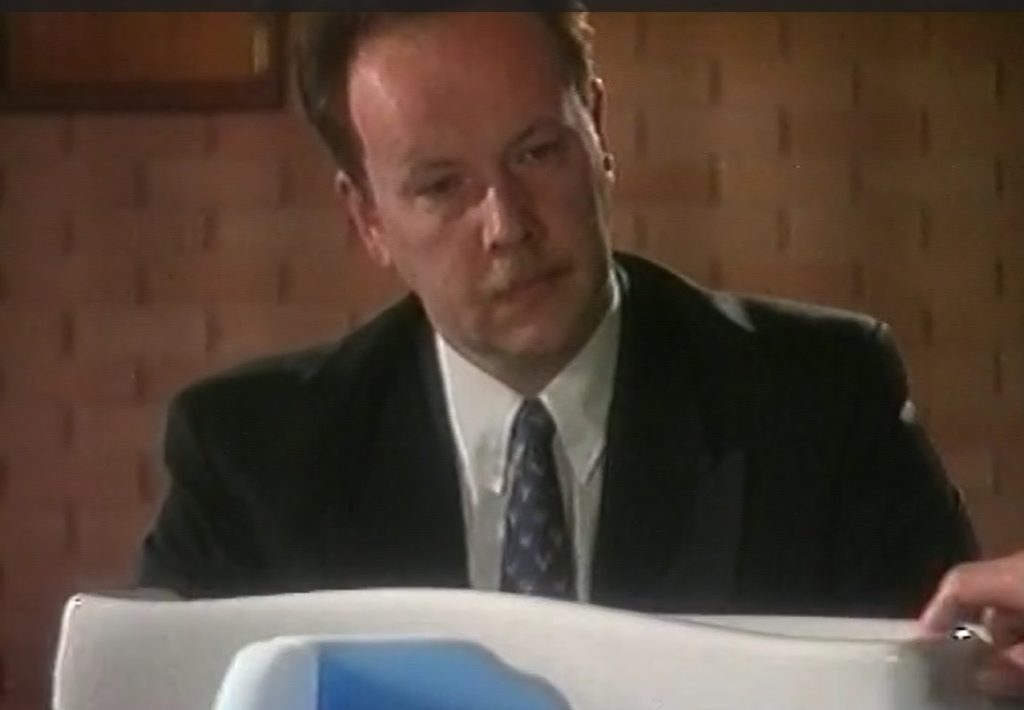
I did that for about a year and then there was a vacancy for somebody to look at computer-aided design, which we know as CAD today. So rather than computer graphics for marketing purposes, this was computer-aided design for manufacturing.
When I told people that I was working as a CAD engineer, people were surprised because the word “cad” meant scoundrel or bounder, so I got some funny looks. It was a very different world back then.
I can remember the computer I worked on. It was bigger than a washing machine, and had a large magnetic tape reel as you might see in a 1950s sci-fi film.
I had to work in isolation in a locked, top secret office, and I could go through the working week without speaking to anyone. From those beginnings I’ve continued to work with CAD throughout my career. It has gone from being secret to being standard throughout Europe and, in the end, I was tasked with growing it globally. At its peak, we had people across Europe and in Thailand, America and China.

What roles have you had over the years?
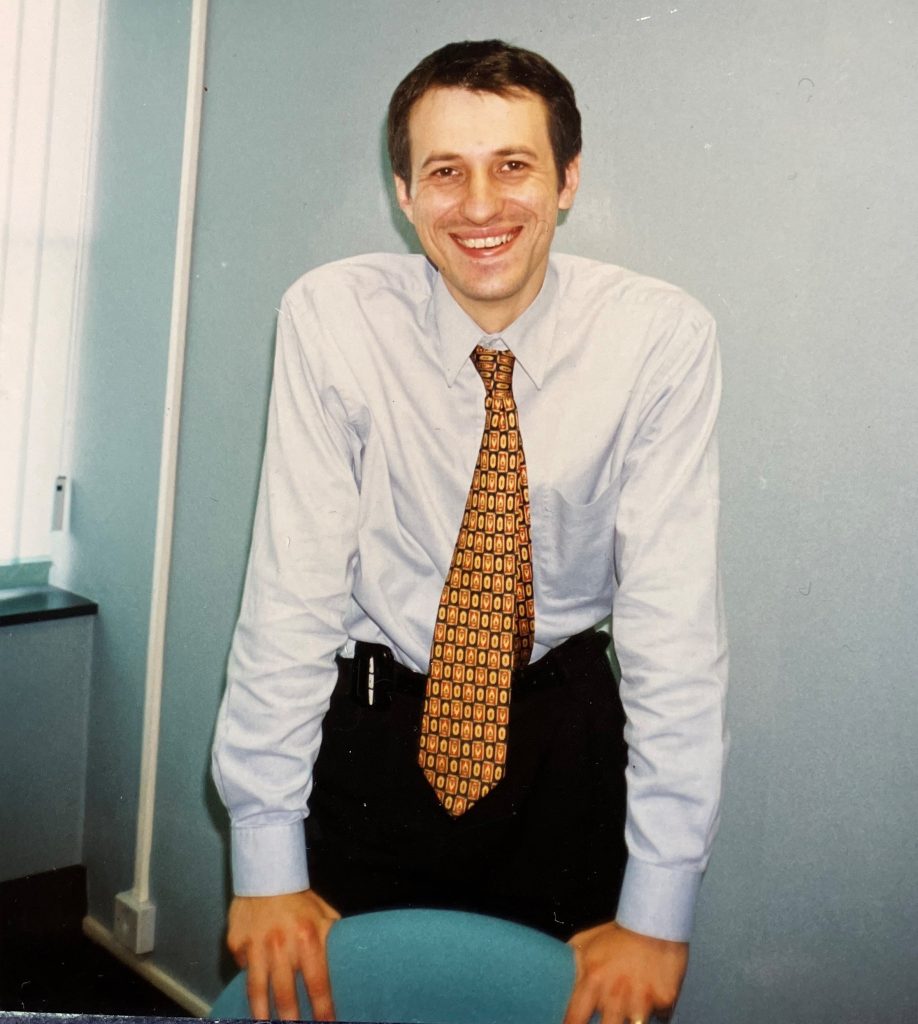
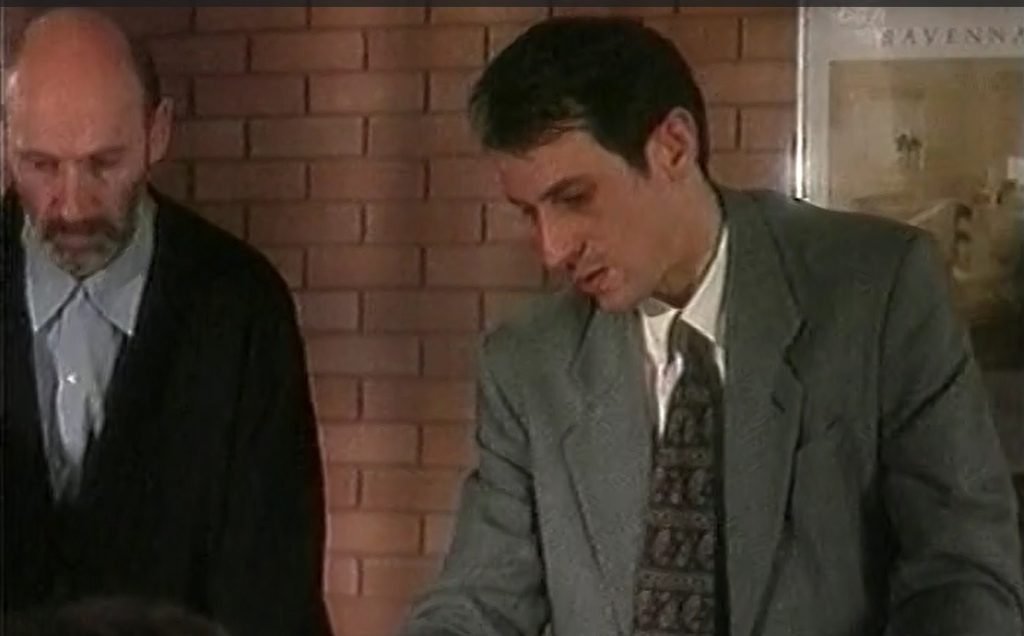
In the early 90s, I became responsible for all of our UK pattern and tool making, including hand modelling. In the mid-90s I became responsible for the R&D process, which includes things like membership of all the norms, standards committees… I got involved in plumbing, complaints, everything.
In 1999, I moved jobs to do the same activity for Ideal Standard’s head office in Brussels, mainly for ceramics but later on I took on more responsibility for showers and baths. I think working for Europe was like opening a new door into all the other plants in France, Germany, Italy, Bulgaria and so on, and I spent pretty much three out of four weeks a month abroad until COVID.
In the early 2000s we were still a US-based company and I got some global responsibilities. I set up and trained a team in Bangkok around that time and that led to me setting up the team in Bulgaria in 2004, which is our biggest CAD team today and much of the original team is still there.
What do you consider to be your career highlights?
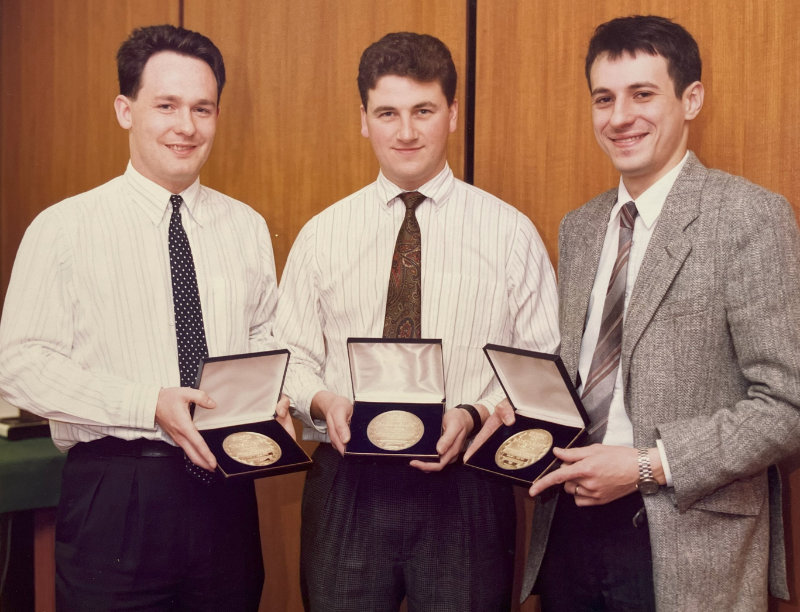
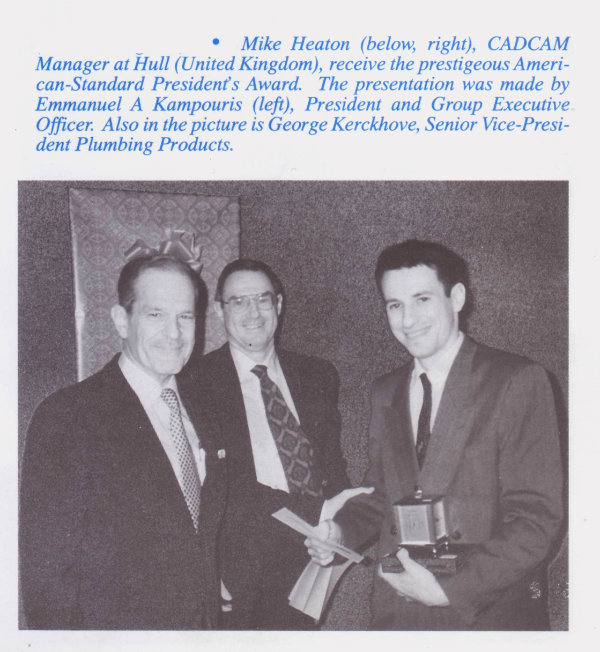
In 1990 we won a company award called the President’s Award, which was a very prestigious global award for innovations in technology, and the company flew me, my wife Helen and our baby son to America for this black tie event with several awards. It was a bit like the Oscars. I met the president of the company and I have very proud memories of that event
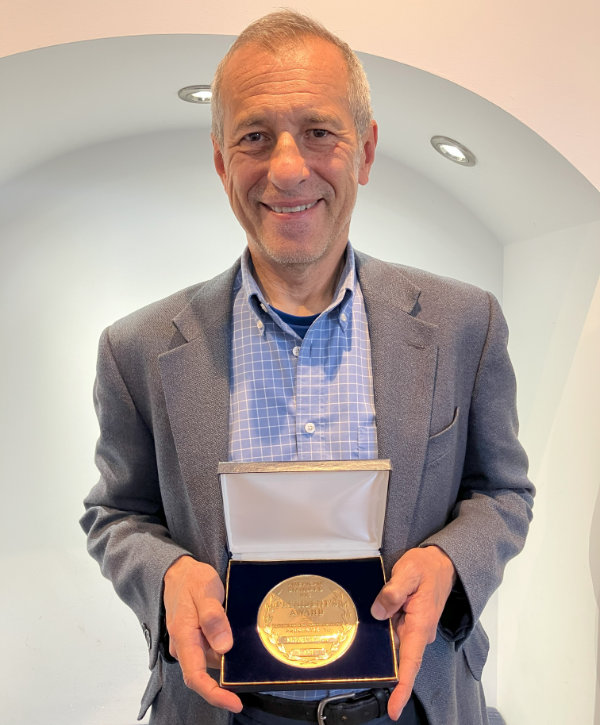
One of the other highlights was setting up teams globally and seeing our work expand. Even to this day, a lot of what we do has been warmly received by V&B, which is a credit to our team. I think the work that Ideal Standard has done in this area has really stood the test of time and has been recognised as being perhaps ahead of its time, even now.
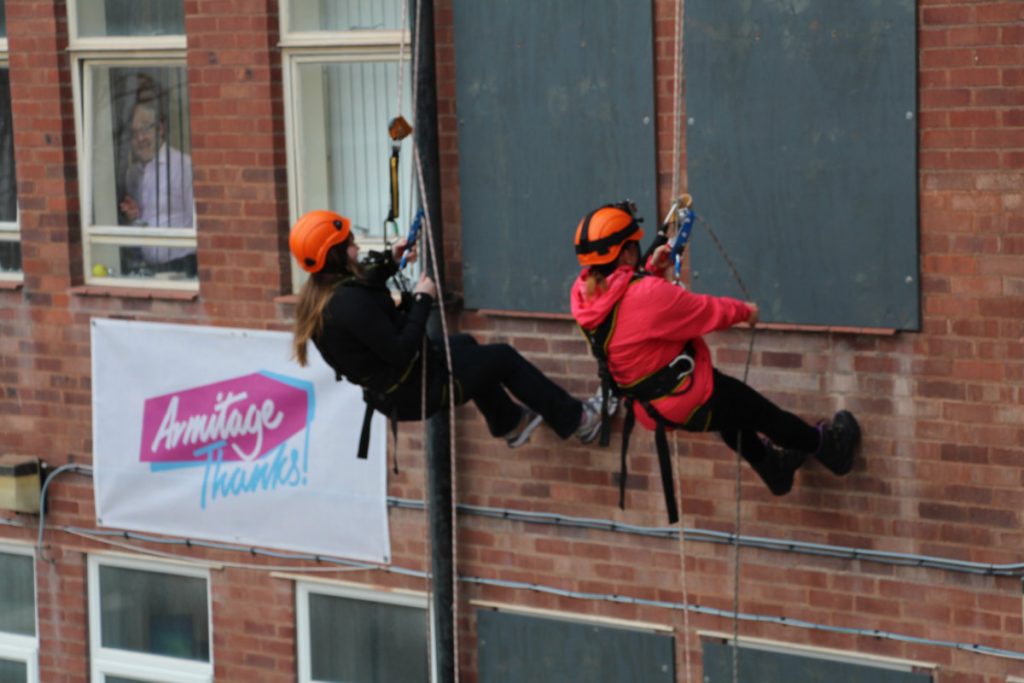
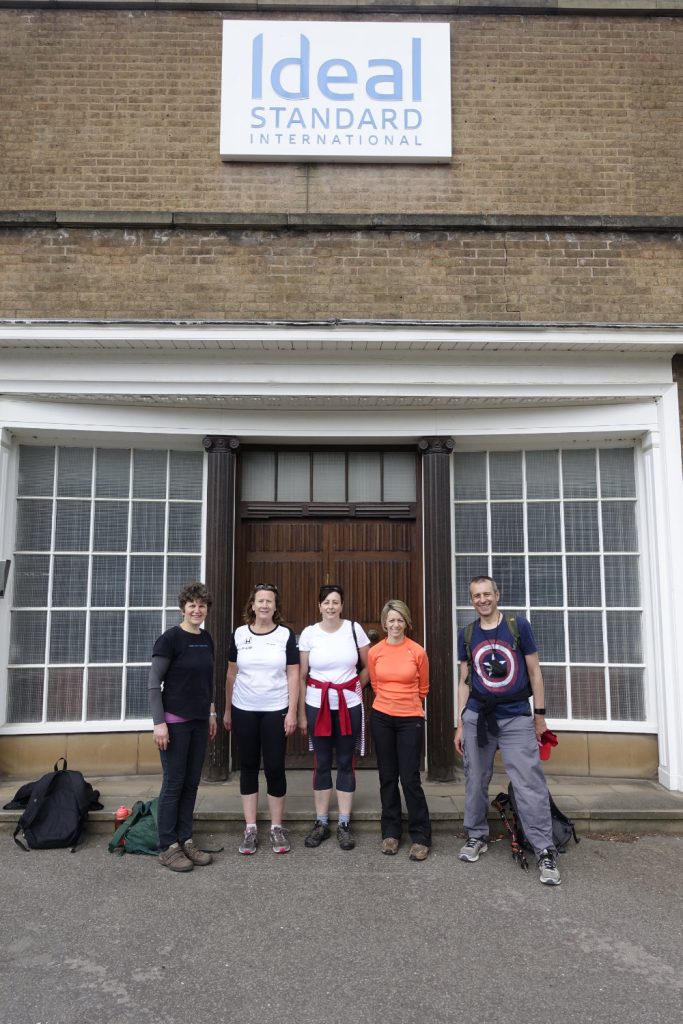
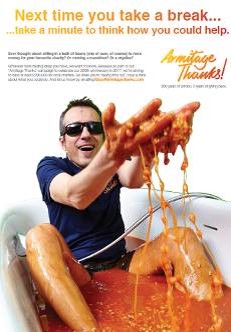
My fondest time, though, was the years 2014 to 2017 because we had the Armitage Shanks 200-year anniversary in 2017, coinciding with Hull being City of Culture. The challenge was to earn 200K for charity for our 200 years anniversary. I applied to be on the committee, got accepted and was lucky enough to chair what became known as the Armitage Thanks initiative.
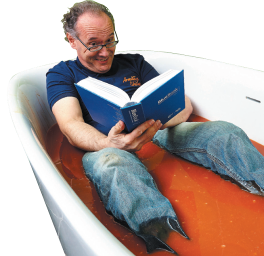
We had so many events… four of us sitting in a bath of beans, a Hallowe’en ghost hunt (because one of the people at Armitage is part of a paranormal team), an abseil from the top of the Armitage buildings, a golf event with customers, an art event with Tony Rheinberg from our marketing team, which was a collaboration with Hull City of Culture. People raised money for us by doing things like marathons and many more events.
We agreed that 60% of the money would go to a charity and the remaining 40% would be allocated for people to apply for if they were doing an event for a particular charity of their choice.
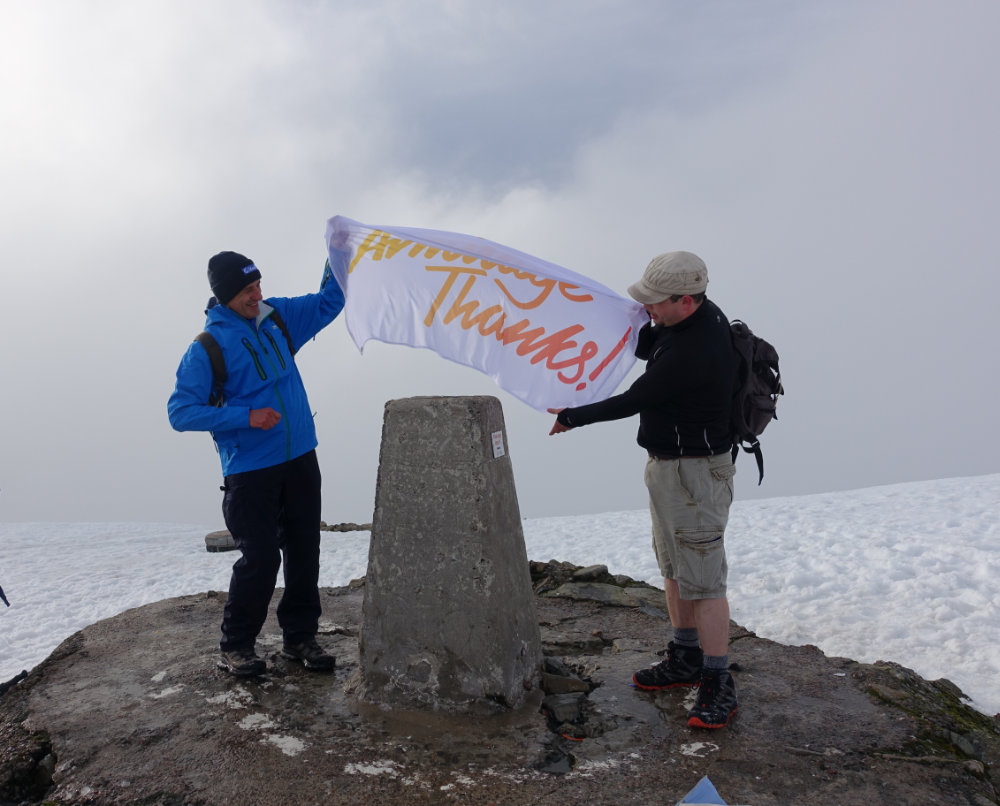
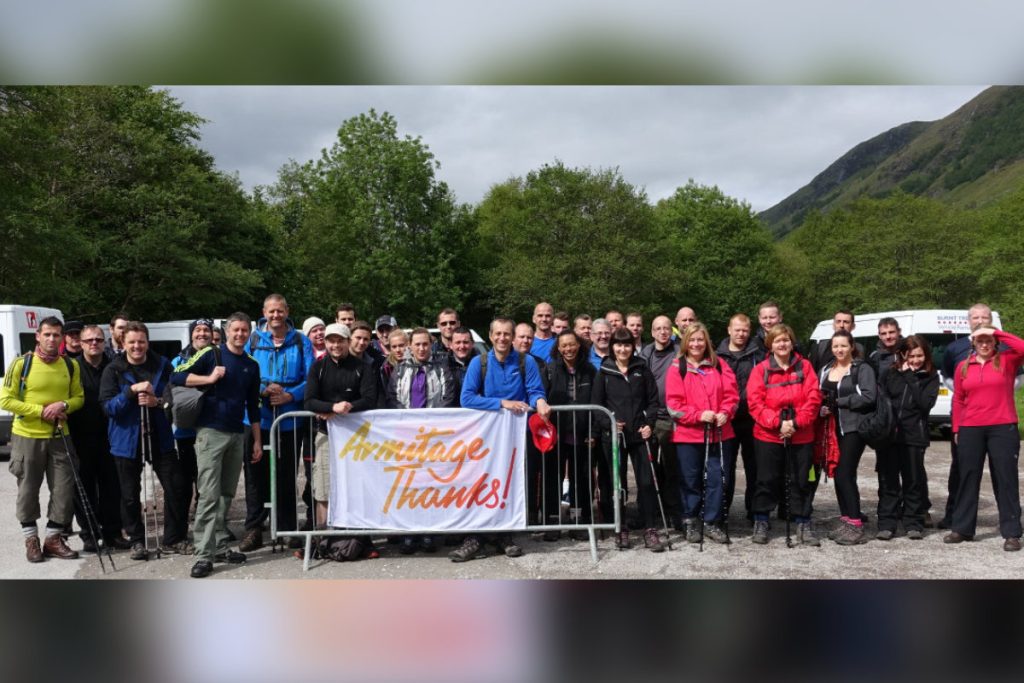
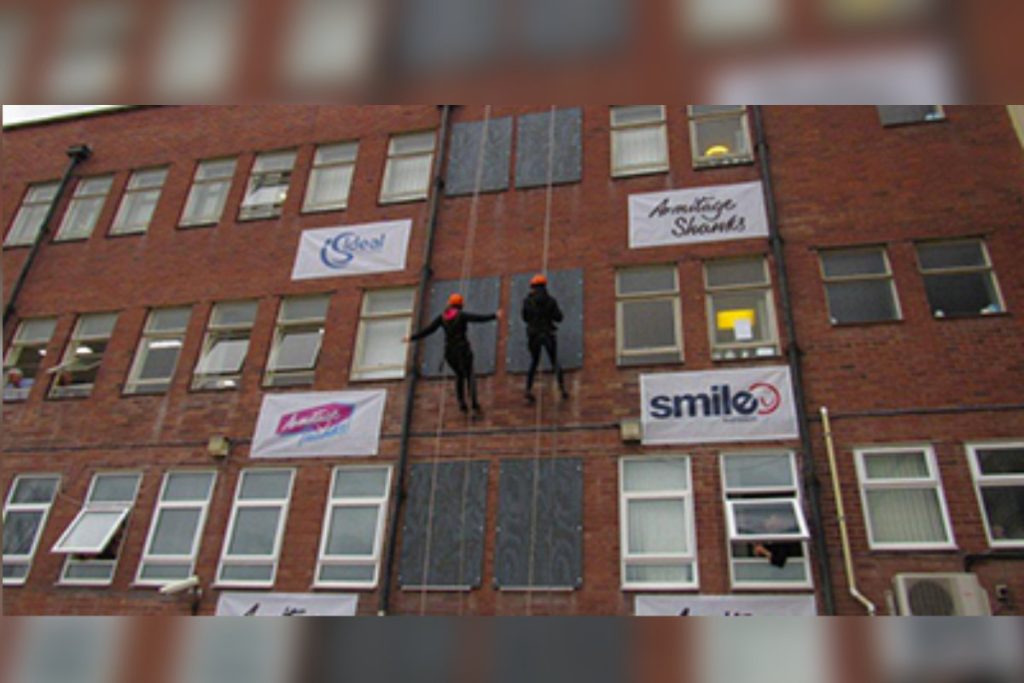

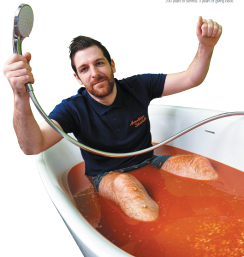

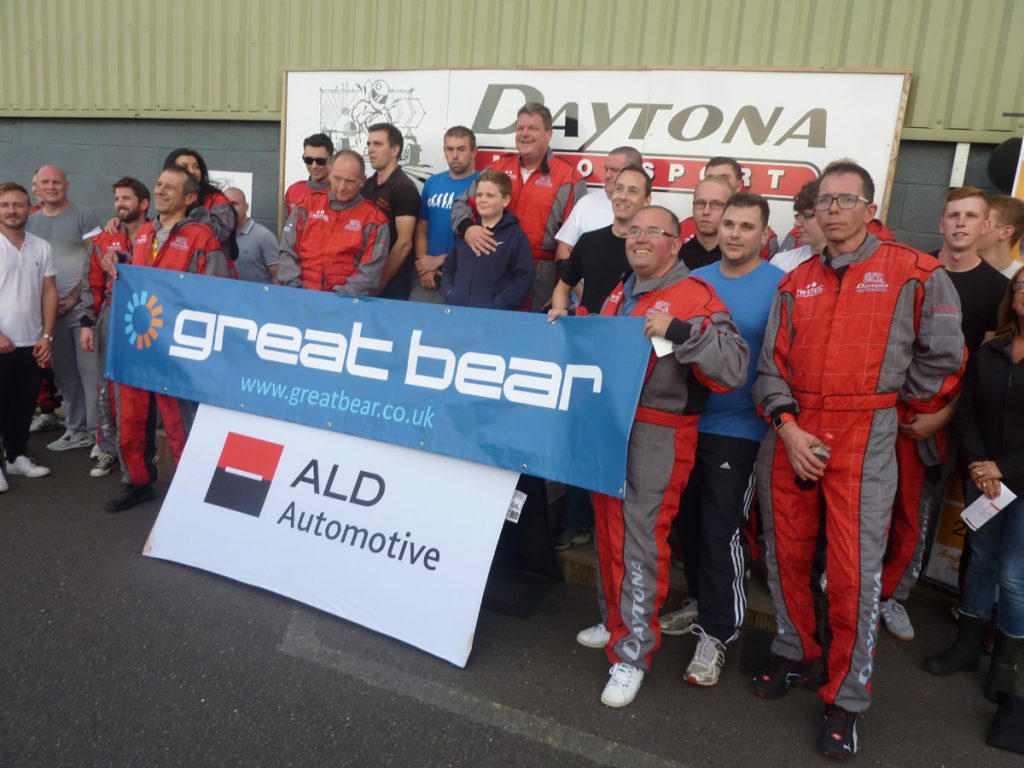
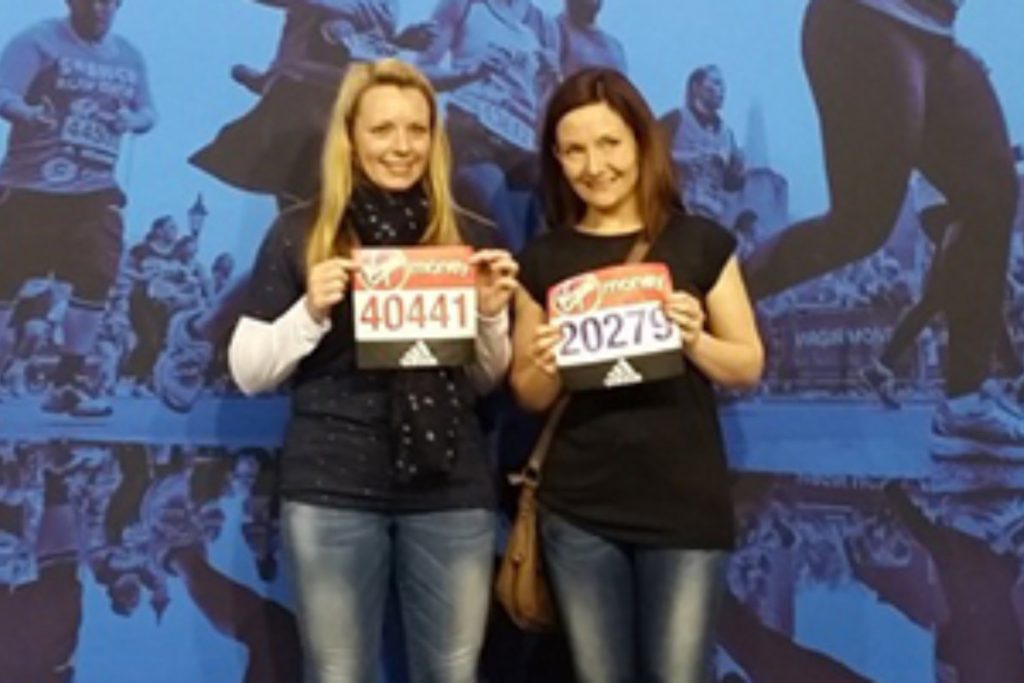


The charity that won the employee vote for the 60% was Bowel Research UK, and I was really pleased with that because it’s such a great fit with the products that we make. On a personal note, my sister had died from bowel cancer, so it doubly spurred me on to generate money for the charity.
I still look back with massive fondness on that time. There was a real buzz around the company, real pride in what we were doing and a feeling of community in the business.
Do you have any funny anecdotes from your time with the business?
When I started in this locked up room, it was upstairs next to where the gents toilet is today and we had terrible problems with our expensive computer. It kept breaking down, and often it happened when I was out of the room. When I went to the toilet, I’d come back and it was broken.
We’d invested a lot in giving it its own clean power supply, without any spikes on the line. However, after a next door toilet refurb and some very expensive investigation we found that the hand drier in the toilets had been wired into the same power line so every time someone went to the toilet and dried their hands, the computer would break down.
Another one happened in the early noughties. I was expanding to Bulgaria and I got two Bulgarians over to do some CAD training. I’d be explaining something to them and I’d say, “Do you follow?” and they would shake their heads. So I would go back and talk a little slower and more clearly and loudly, with some sketching on a whiteboard. I’d repeat, “Do you understand now?” and they would shake their heads again.
This process kept happening and they started to look more and more annoyed with each iteration, and I was wondering what I could do to get the message through. In the end, they said, “Please don’t say again. We are agreeing with you.” It turns out that shaking your head in Bulgaria… that’s a yes.
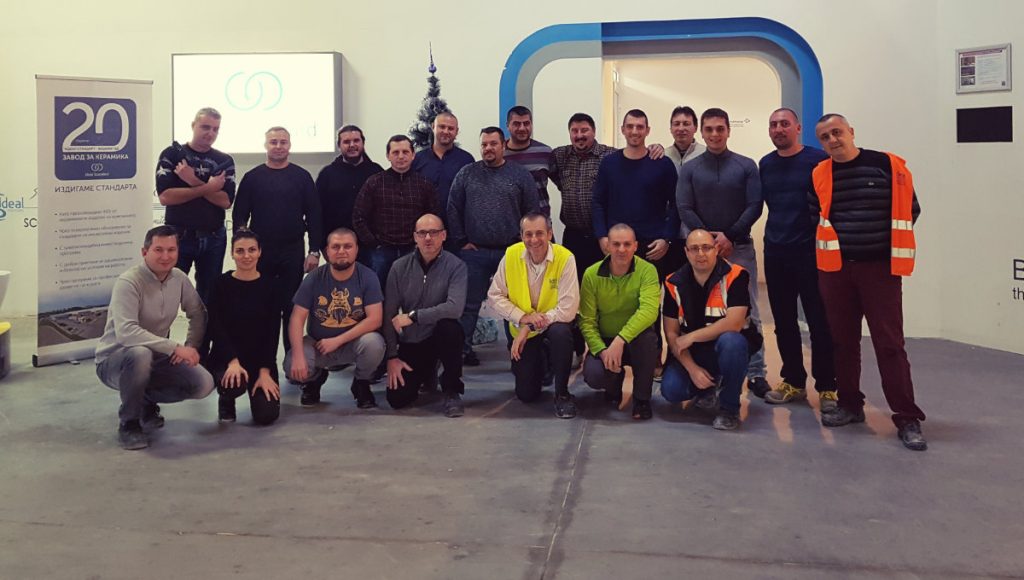
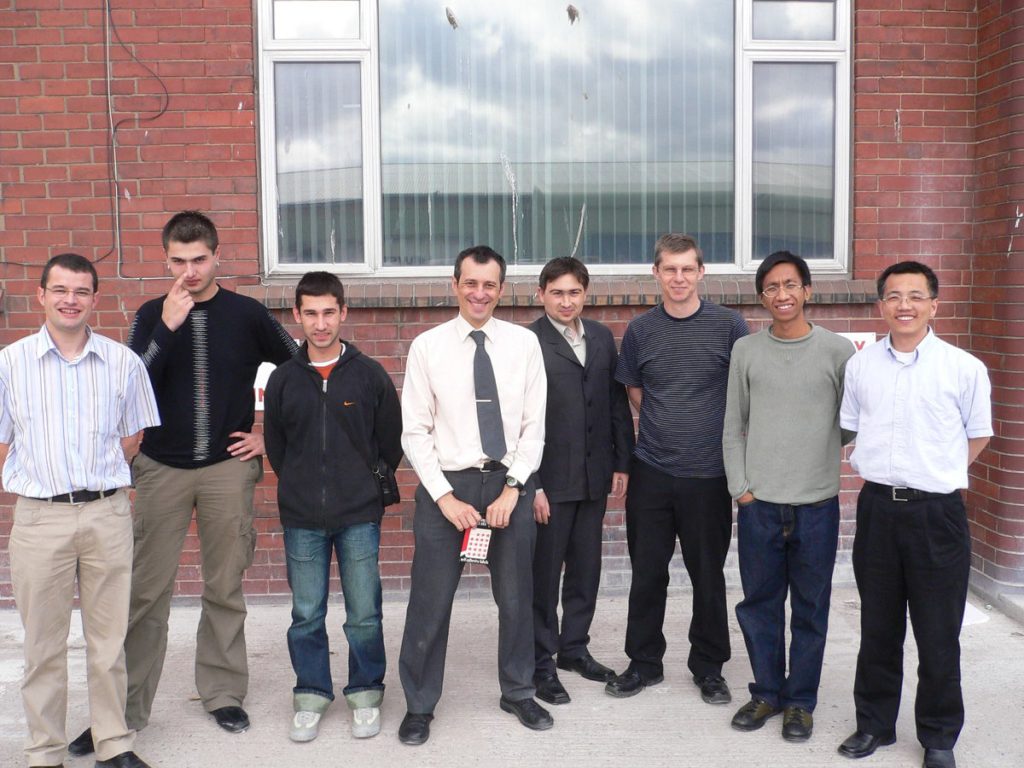
Another one was that when I set up the team in Thailand, they were very, very friendly and they were very familiar: they kept on calling me “Mikey”. Yes, Mikey. OK, Mikey. Very good, Mikey. I’ve never been called Mikey before and it felt a bit informal but I rolled with it. It was only when they introduced me to some of their colleagues, that I figured out what was going on. They said, “Here is Mr Ton”, and I thought it was strange and then I realised that when I’d introduced myself as Mike Heaton, they had heard “Mikey Ton”, which made perfect sense as Ton is a very good Asian surname.
What are your plans for retirement?
I compete in dog agility with my cockapoo dog Ivy so I’m going to be doing a little bit more competing. We’re at the top level of the sport. My aim is to represent the country in dog agility for the over 60s.
We have two grandsons now – one a baby and one aged eight – and they live in the south so I’ll still be travelling even though I’m retiring, and looking for dog competitions in those regions to provide the excuse to go.
What will you miss the most?
In my time with the company I’ve made so many friends and experienced so many different cultures. For my first five to six years with the company, because I was so secluded from everybody else, I felt like the new boy. It was only when I started to get involved in coaching and in charities that I felt maybe I’m not the new boy anymore. When I walk around now, I feel like the old man of the company.
I’ll miss the company but, more importantly, I’ll miss the people I work with. I’m very grateful that the company has given me not just a means to put bread on the table but it’s also given me a life with experiences and friends.
Now that V&B are here, I think we are in good hands going forward and I wish everybody success in the future.